
STESSIE, En verktøykasse for refleksjon , inkludering og likeverdige læringsmuligheter i skolen
Målet med Stessie
STESSIE har som mål å stimulere og styrke sosial inkludering i utdanningen. Tre grunnprinsipper står sentralt i vår visjon:
1
Inkludering for alle barn
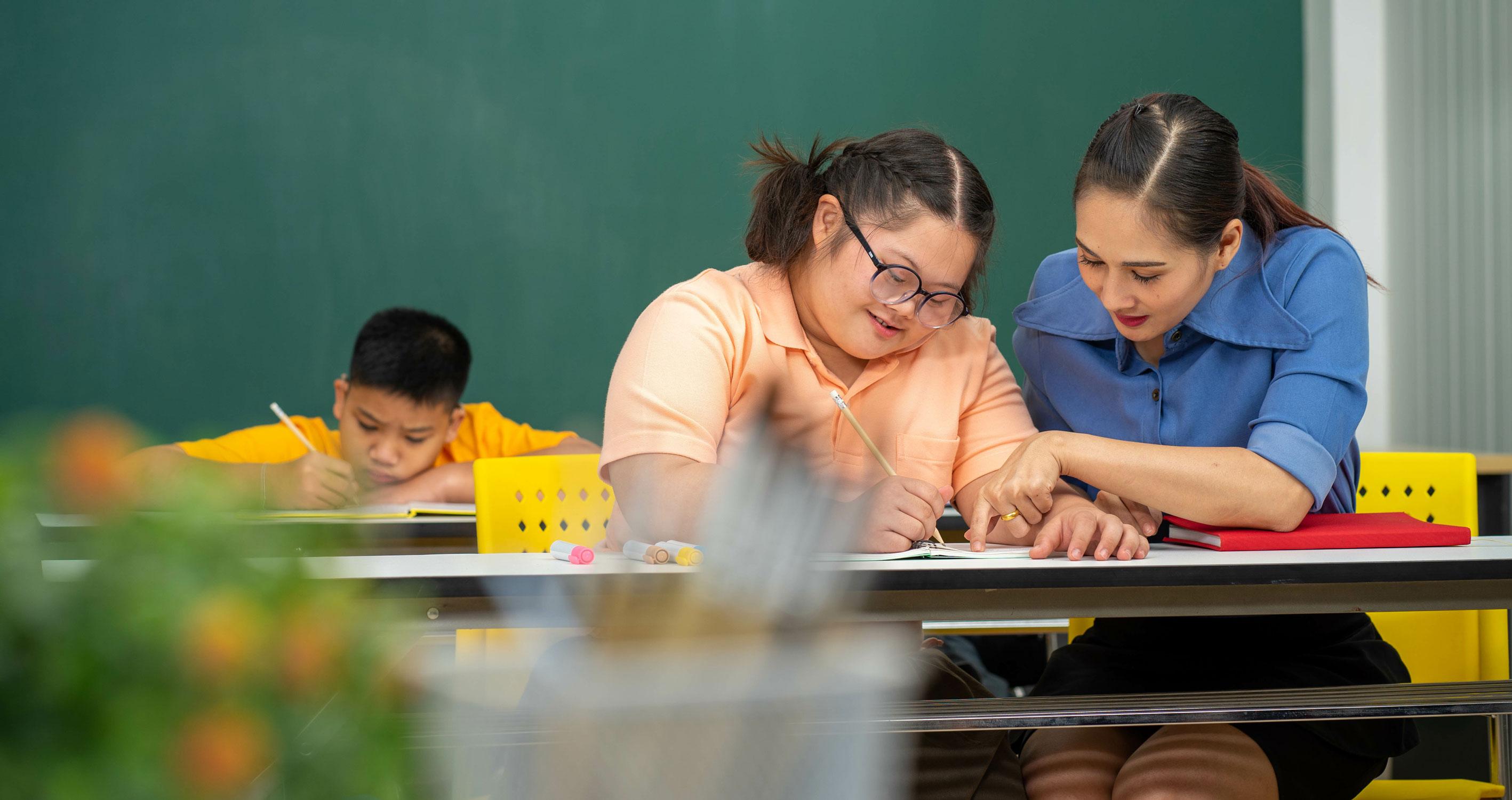
Vi mener ekte inkludering betyr at alle barn ønskes velkommen og får delta aktivt i hele skolens liv. Hver foresatt skal ha rett til å velge den skolen som passer best for barnet sitt, og alle elever skal oppleve både faglig og sosial inkludering.
2
Et felles ansvar
Inkludering er et oppdrag for hele skolefellesskapet. Gjennom selvrefleksjon skaper Stessie rom for dialog, målrettet handling og utvikling sammen – som ett lag.
3
Et interseksjonelt perspektiv
Vi ønsker å avdekke og motvirke de strukturelle barrierene som rammer barn og unge med sammensatte utfordringer.
Dette reiser viktige spørsmål:
- Hvilke tiltak virker best for å bygge inkluderende skolemiljøer, klassemiljø og ledelsesformer?
- Hvor finnes forbedringspotensialet – og hvilke steg kan ta skolene videre på veien mot mer inkludering?
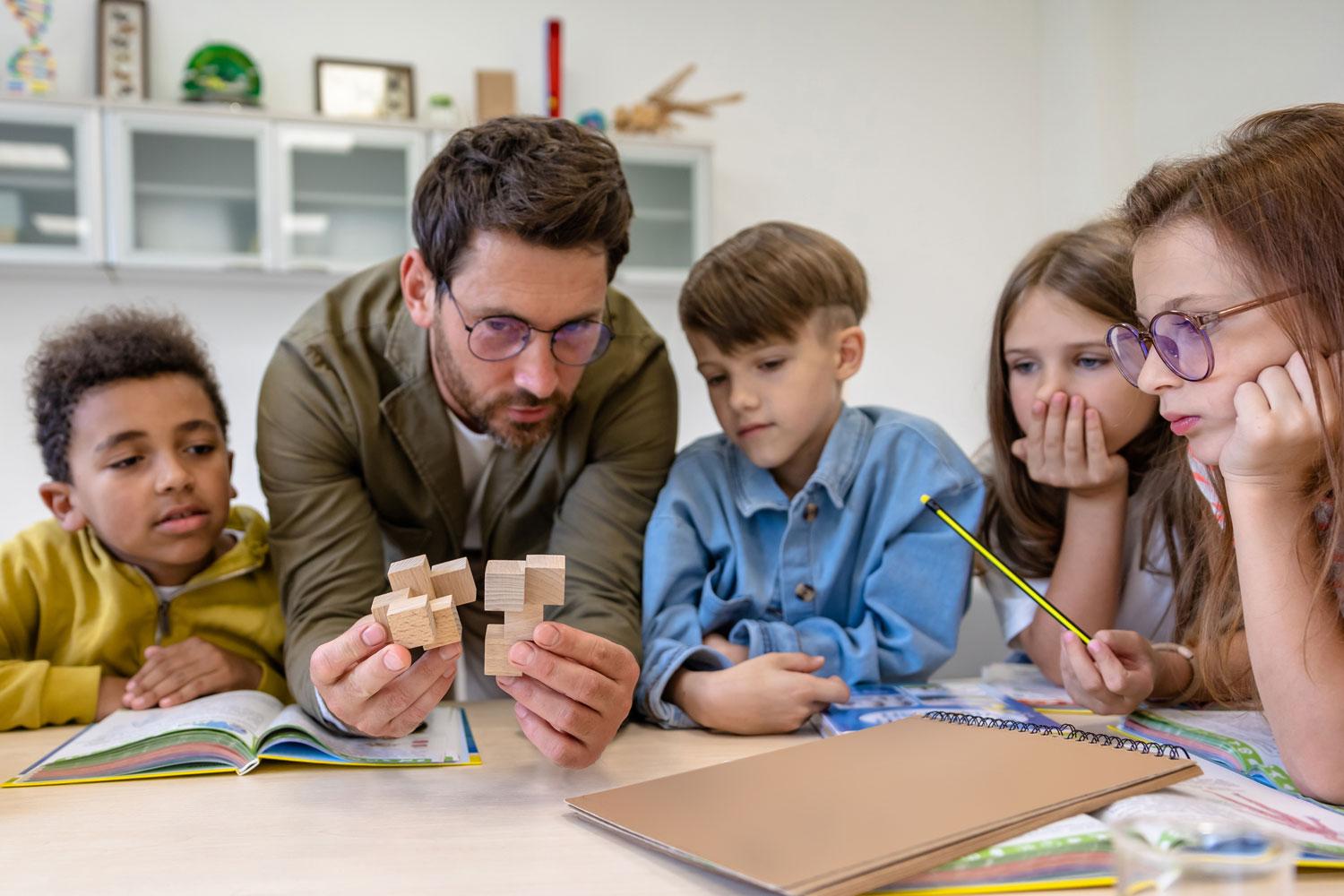
Prosjektet skal bidra til bedre trivsel og bedre læringsresultater for elever som kan være utsatt for ulemper.
Forord fra SICI-presidenten
Utdanningssystemer verden over står i en krevende balansegang: å skape mer rettferdighet, samtidig som de skal sikre gode læringsresultater for elever som lever med sårbarhet og ulemper.
Gjennom STESSIE-prosjektet har tilsynsmyndigheter og utdanningsfaglige miljøer fra hele Europa fått utveksle erfaringer og innsikt om hvordan utdanning og inspeksjon kan bidra til sosial inkludering og like muligheter.
Prosjektet har vært en verdifull arena for å dele kunnskap, delta i internasjonal dialog og styrke profesjonsutviklingen – i et fellesskap uten politisk eller nasjonal styring. Vi håper resultatene vil bidra til bedre trivsel og læringsutbytte for elever som står i risiko for å falle utenfor.
Prosjektpartnere og bakgrunnen for Stessie
Prosjektet samler utdanningsinspektorater fra hele Europa: Baskerland, Bulgaria, Kypros, Estland, Flandern, Malta, Serbia, Spania og Wales. I tillegg deltar Institut des Hautes Études de l’Éducation et de la Formation (IH2EF) i Frankrike, Universitetet i Gent og SICI – den internasjonale organisasjonen som representerer 45 tilsynsmyndigheter i utdanningssektoren.
En viktig samarbeidspartner har også vært Instituto de Secundaria Monastil i Spania, som har bidratt som en «kritisk venn» i prosessen.
Sammen har partnerne utviklet Toolkit for Evaluating and Stimulating Social Inclusion in Education (TESSIE) – et rammeverk og en samling nasjonale og regionale verktøy for vurdering og inspeksjon. Målet er å fremme dialog og samarbeid mellom skoler, skoleledere, lærere, assistenter og inspektorater i hele Europa – med fokus på kvalitet og likeverd.
Fra BIBESOIN til STESSIE
- BIBESOIN står for Better Inspection for Better Social Inclusion (2018–2021).
- STESSIE står for Spreading and Strengthening the Toolkit for Evaluating and Stimulating Social Inclusion in Education (2022–2025).

Uttalelser
Zorica Djokovic
The principal of "Wood-art"
Secondary School in Serbia
Our school took part in the piloting of the instrument. The questionnaires were completed by teachers, the support staff, parents, students, and me, as the school principal. The questionnaires are extensive, yet comprehensive. They clearly highlight the complexity of inclusion and all its aspects within the school environment. The school plans to use the instrument in the next self-evaluation.
Desislava Ognyanova
Principal of 128 Secondary School "Albert Einstein" - Sofia, Bulgaria
128 Secondary School "Albert Einstein" took part in the pilot implementation of the STESSIE tool. The use of the application, supported by well-structured questionnaires, motivated both teachers and parents to work toward our common goal – the inclusion and integration of every single student.
Denis Hadzhieva
Primary Education Teacher at the 8th Secondary School “Vasil Levski” - Sofia, Bulgaria
Participation in the STESSIE project provided a valuable opportunity to critically reflect on the processes of educational inclusion and contributed significantly to the development of a more inclusive and supportive school environment. The results obtained from the questionnaires enabled the identification of both strengths and areas requiring improvement within the school’s practices. Moreover, the study facilitated enhanced communication within the school community and stimulated thoughtful reflection and dialogue on inclusion-related issues. The school leadership intends to utilise the collected data to further develop and refine inclusive strategies, as well as to inform the adaptation of school policies.
Milena Anachkova
Principal of the 8th Secondary School “Vasil Levski” - Sofia, Bulgaria
The school’s leadership recognises the STESSIE questionnaires as an effective tool for monitoring progress and evaluating the impact of the measures undertaken. A total of 371 participants took part in the survey, expressing their satisfaction, attitudes, and willingness to engage in new educational initiatives. The repeated use of the STESSIE questionnaires is planned in order to ensure continuity in data collection and to support evidence-based decision-making in the development of inclusive school policies.
Cindy Van der Snickt
Principal of the School “De Wonderboom" - Belgium
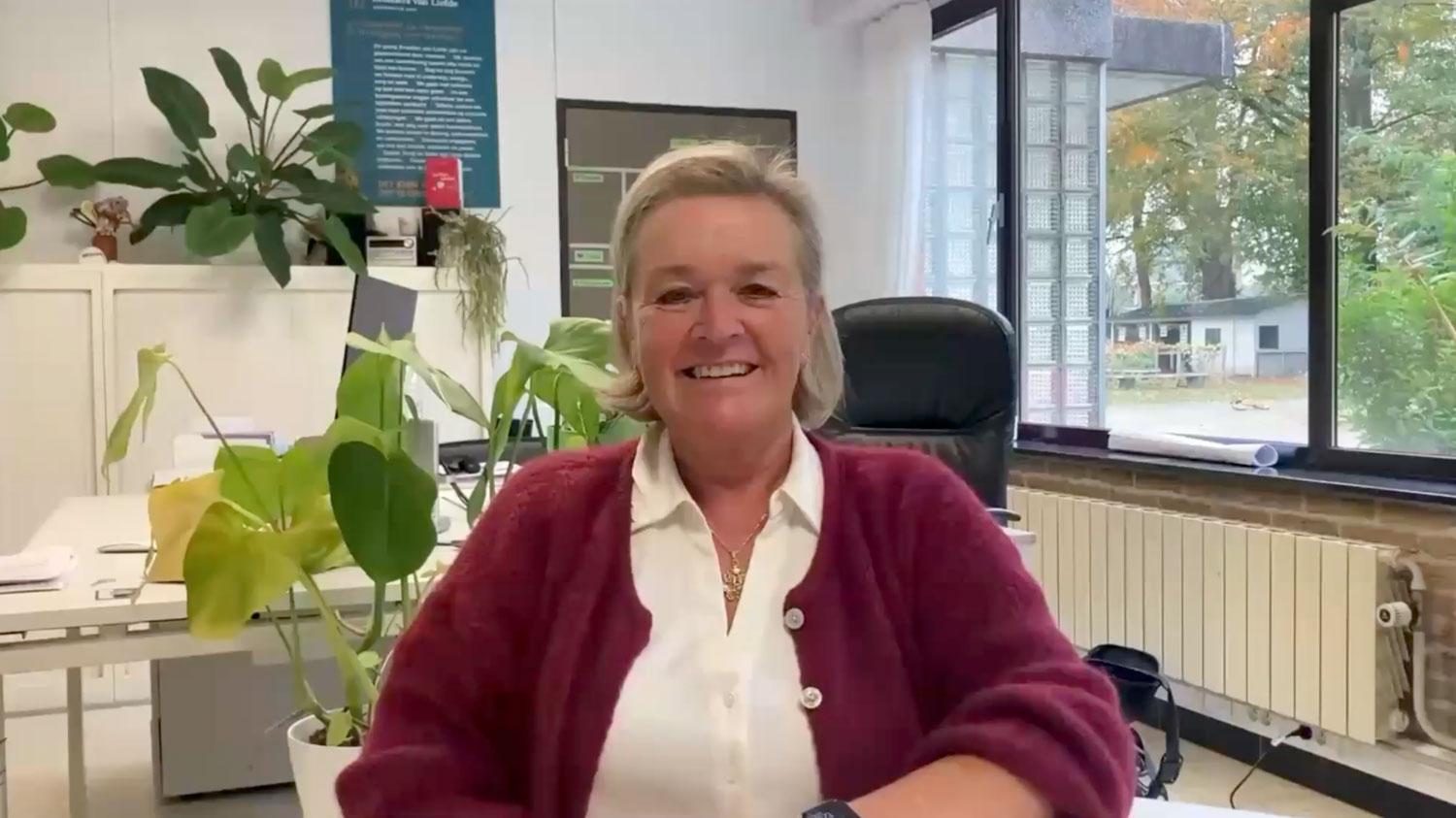
Director Cindy Van der Snickt from De Wonderboom Children’s centre shares how her school in Flanders has developed its own distinctive approach. The centre supports children from birth to age 12 and has been actively strengthening its inclusive practices for several years. To reflect on their progress, the team used the STESSIE tool, which they hope will remain a valuable resource as they continue building an inclusive environment.