
Why schools and education systems need to focus on equity and inclusion

The UN Convention on the Rights of Persons with Disabilities is clear in its commitment to ensuring the right to inclusive education at all levels. It highlights the importance of equal access to education within the communities where individuals reside and mandates the provision of reasonable accommodations tailored to individual needs to ensure meaningful participation.
Inclusive Education in Europe
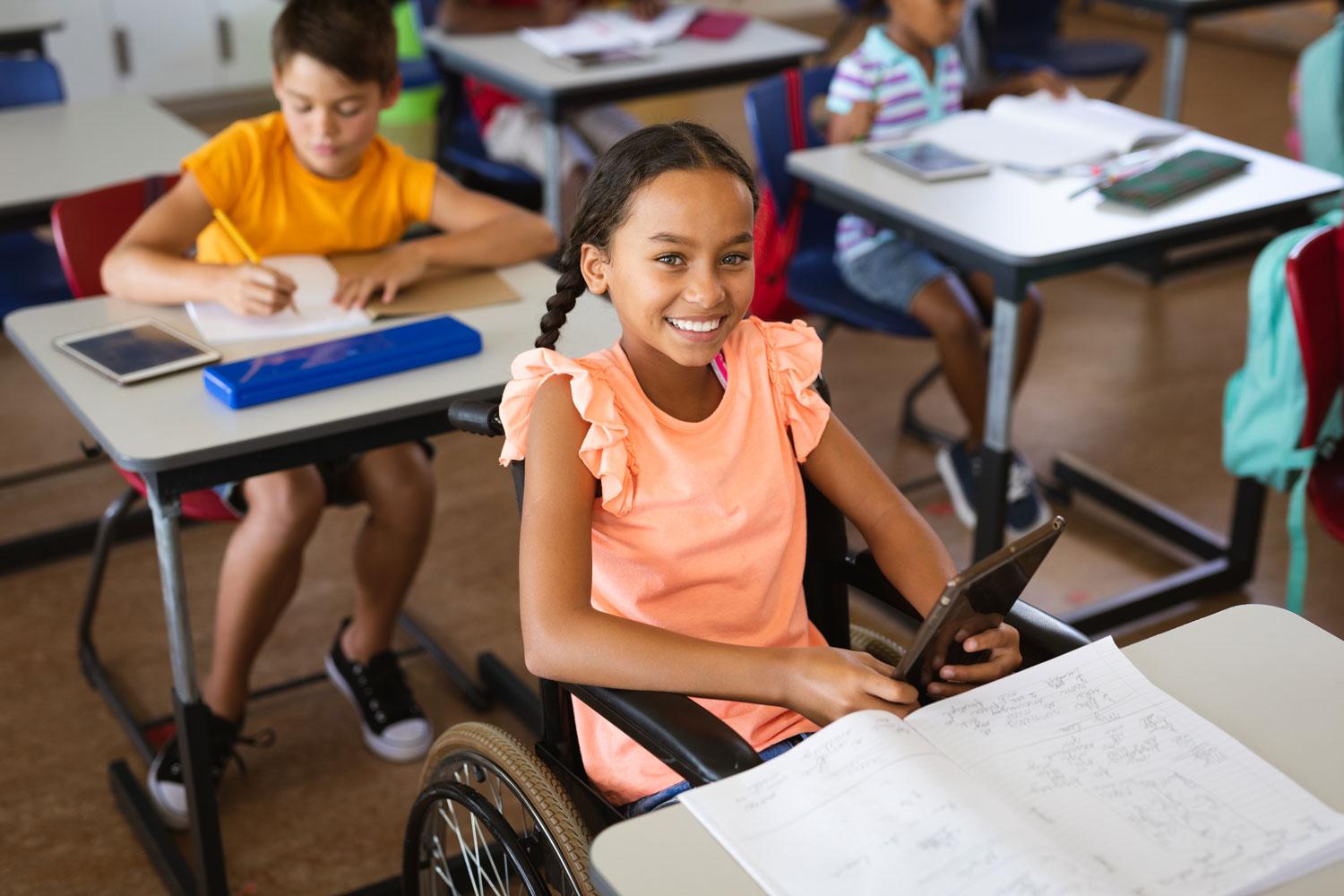
In many European countries, inclusive education is understood as providing for special educational needs within mainstream settings, typically viewed as a crucial part of social inclusion. According to the European Agency for Disability and Inclusive Education, inclusive education is "the provision of high-quality education in schools that value the rights, equality, access, and participation of all learners." Research shows that inclusive education has a positive impact on academic results and is associated with better chances of employability, participating in tertiary education, becoming integrated into valuable social networks, and achieving high levels of residential independence. Hence, ensuring equal access to and active participation in education is fundamental to achieving full social inclusion.
STESSIE’s role
Across many European countries, the concept of "inclusion" is viewed in various ways.The STESSIE project aims to create a common understanding of what inclusion in the education sector entails and how diversity can be utilized as an added value. STESSIE promotes fundamental mindset shifts: What does it genuinely mean to refer to all students, without excluding those from minority groups based on differences in ability, ethnicity, language, religion, or other aspects of identity?
Many European countries take a rather individualistic approach to Special Educational Needs. STESSIE aims to shift the focus towards building rich learning environments that welcome all children, especially those at risk of exclusion and those from multi-marginalised backgrounds.
There is a growing demand for clear policies on inclusive education. Across stakeholders in the education sector, there is a pressing need to invest in high-quality, whole-school guidance policies that support fundamental and preventive student guidance in mainstream education. STESSIE seeks to inform policymakers across Europe on actionable ways to improve inclusivity at schools.

How to approach the STESSIE framework
STESSIE is developed with the purpose of self-evaluation, as a tool for improving the participation and learning opportunities of all (including vulnerable) learners. It is also designed to respect the autonomy of schools,inspectorates and evaluating bodies. STESSIE is not intended to provide a single framework or set of evaluation tools to be used across all schools and inspectorates or evaluating bodies in Europe.
The framework consists of
STESSIE is not an evaluation tool that can or will, in any way, make a judgment about the school. Rather, it raises awareness within schools regarding their process of becoming more inclusive. STESSIE aims to highlight areas:
- where the school can improve to be more inclusive and accessible for all children.
- where the school is already strongly investing in the academic and social participation of each child.
The STESSIE(METER) collects insights from staff, parents, and students within the same school to offer a comprehensive view of how strongly the school’s leadership, culture, and classroom climate prioritize and value inclusion. STESSIE(METER) is informative and engaging in multiple ways:
- It offers meaningful insights into the current level of inclusiveness within the school.
- The tool can be applied periodically over time to monitor progress toward greater inclusion.
- It highlights areas of alignment and divergence in the perspectives of teachers, staff, and both younger and older students.
However, this is just the starting point. STESSIE is part of a process that supports schools in formulating and coordinating actions to create a more inclusive environment. It helps schools make informed decisions about strategic directions for the future.
STESSIE comes with a guidance kit to help school leaders identify the right strategies to improve inclusion based on the results obtained.
Key principles for using the framework



POTENTIAL METHODS OF EVALUATION
This list represents a range of approaches and methods that school leaders and teachers, education advisors and inspectors could use to establish the evidence required to evaluate against the STESSIE framework. It is by no means intended to be comprehensive or exhaustive, and schools and inspectors should not feel compelled to use all of these methods every time and for every aspect of the framework.
- Observations of teaching and learning
- Observations of the school environment
- Reviews of pupils’/students’/learners’ work (standards, progress, skills, teachers’ assessment, follow up, appropriateness of the provision)
- Scrutiny of short, medium and long term planning
- Review of the school’s internal or external evaluations of pupils’/students’/learners’ wellbeing and how these findings are being addressed
- Conversations/meetings with pupils/students/learners
- Parents’ views – meetings/ questions
- Speaking to partners / discussion with leaders/ teachers how they coordinate work with external agencies
- Individual support plans, including their targets
- Tracking systems identifying the progress of vulnerable pupils/students/learners
- New emerging methods for engaging digitally – scrutiny of digital files/ videos/ newsletters etc
- Safeguarding culture
- Wellbeing records/ plans/ tracking systems
- Professional learning programmes and teachers’ evaluations of this in light of their practice