


Learn more about the Stessie framework

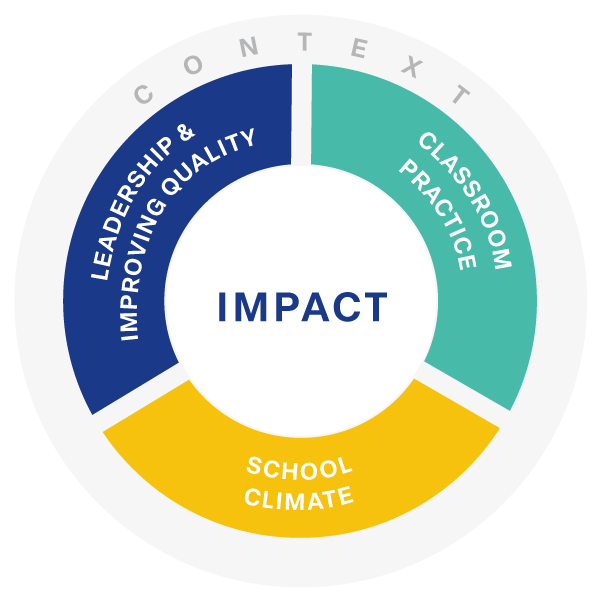
Context
Every school functions within a unique context that shapes its actions and decisions. Gaining insight into the learner profile, home and parental environment, school leadership, staff experience and composition, as well as governance, is crucial to truly understanding the essence of a school. When carrying out any (self-) evaluation, it is important, that inspectors, school improvement advisors, leaders and practitioners take the school’s context into account.
By ‘context’ we mean:
- administrative and structural characteristics and (pedagogical) culture of the school
- socio-economic and other characteristics of the local area (such as large urban, or rural communities, presence of deprivation, cultural mix and language profile of population, etc.)
- available resources (e.g. financial, buildings, equipment, and access to cultural, sport and other enrichment facilities, community partnerships and support agencies)
- legal context and applicable regulation
- profile of the parents/legally responsible persons and the home environment (such as socio-economic and cultural characteristics, including access to technology to facilitate home-learning, home language(s), parental involvement)
- profile of leadership and governance (composition, professional experience)
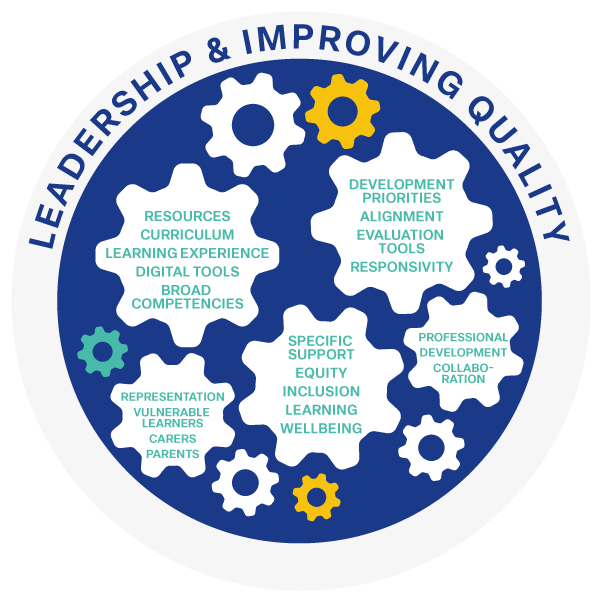
Leadership and improving quality
Leadership extends beyond simply managing a school; it involves guiding the school community towards a shared vision, establishing core values, and inspiring staff to reflect, rise to challenges, and drive continuous improvement. Effective leadership, grounded in a commitment to inclusion, is crucial for cultivating a school culture rooted in equity.
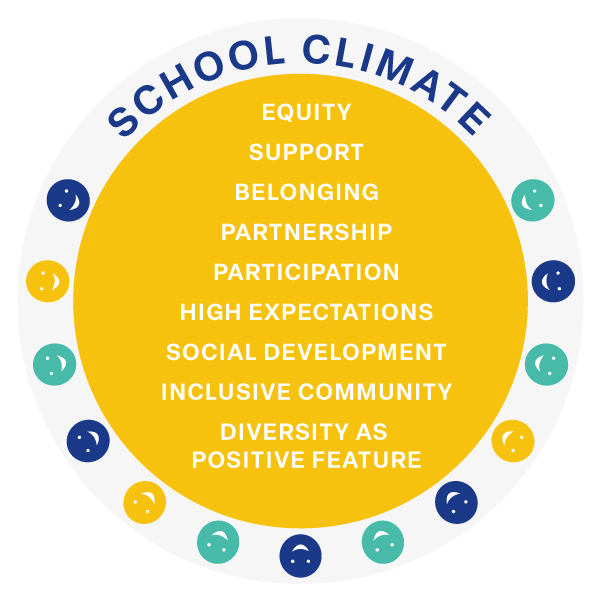
Inclusive school climate
Establishing and fostering the right climate in school is crucial to ensuring that all learners feel safe, that they belong and have the opportunities to develop and thrive, regardless of their background or personal circumstances. This requires schools to identify barriers to learning and holistic development, and provide the right support to bridge any form of disadvantage. The reflective questions below provide suggestions for reviewing how inclusive the school's environment and ethos are in achieving these aims.
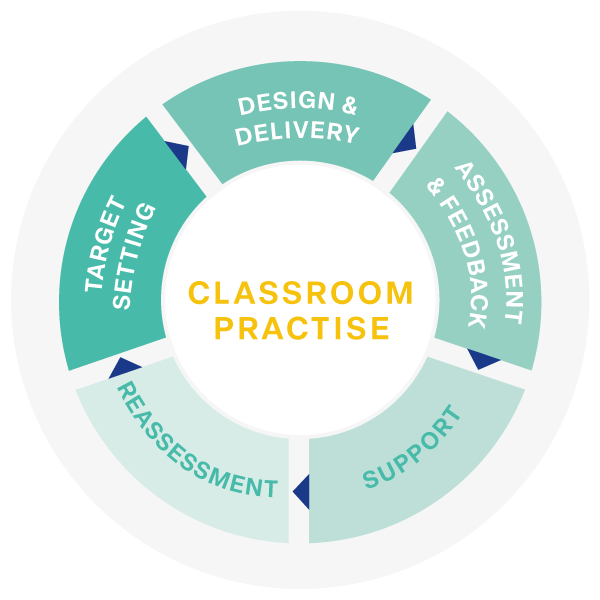
Inclusive classroom practice
Knowing learners and their needs is crucial for teachers and other educational staff to plan and provide learners with holistic learning experiences, so that they can enable learners to attain achievable yet challenging goals successfully. This requires educators to create an inclusive class environment in which learners feel safe to make mistakes. Also, they need to employ a range of appropriate teaching, learning and assessment approaches to meaningfully engage learners and meet their needs. Providing effective feedback to stimulate progress in learning is essential.