
STESSIE, a toolbox for self-reflection and stimulating social inclusion and equal learning opportunities in education
Goals of Stessie
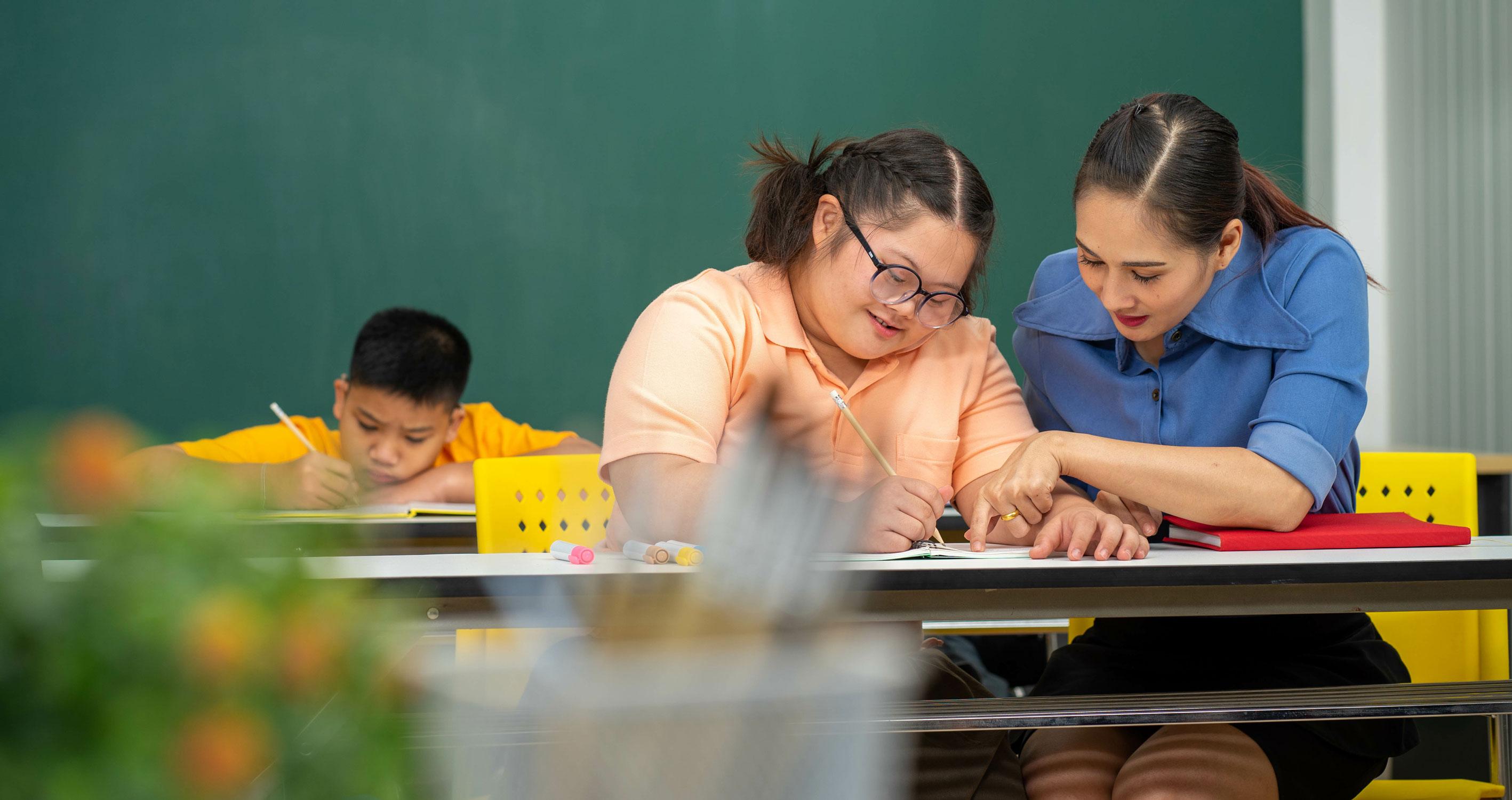
STESSIE aims "to stimulate and strengthen social inclusion in education." Several key aspects are central to STESSIE's vision:
1
STESSIE firmly believes that true inclusion ensures every child is welcomed and actively engaged in all aspects of school life. It advocates for every parent’s right to choose the school that best fits their child, and for every child to experience full social and academic inclusion.
2
STESSIE views inclusion as a shared commitment embraced by the entire school community. Using a self-reflection framework, schools engage in meaningful dialogue, take purposeful action, and grow together as a team to foster a more inclusive environment.
3
STESSIE embraces an intersectional approach to inclusive education, aiming to uncover and address the structural exclusion faced by multi-marginalised groups.
Key questions arise:
What effective practices are schools implementing to foster an inclusive environment, cultivate an inclusive classroom climate, and promote leadership that values inclusion and diversity? Is there room for improvement, and what actions can guide schools towards greater inclusivity?

The project will contribute to improvements in wellbeing and educational outcomes for learners who are vulnerable to disadvantages.
President of Sici’s foreword
Education systems worldwide are facing the challenge of achieving equity while simultaneously ensuring positive outcomes for learners who are vulnerable and face disadvantages compared to their peers. The “STESSIE” project has enabled inspectorates and education professionals from a wide range of European organisations to exchange experiences and insights into each other’s educational and inspection practices, with a strong focus on how inspectorates promote social inclusion and equity in education.
STESSIE has offered a valuable platform for partners to exchange knowledge, engage in, and contribute to the international dialogue on inclusion, inspection, and evaluation —within a setting free from domestic or political influence. The project has supported the professional growth of those involved and helped to strengthen inspection and leadership practices within their respective systems. It is hoped that the outcomes of this initiative will lead to meaningful improvements in the well-being and educational success of learners who are vulnerable to disadvantages.
The project partners and how BIBESOIN led to STESSIE
The project partners consist of education inspectorates representing a broad range of contexts across Europe (Basque Country, Bulgaria, Cyprus, Estonia, Flanders, Malta, Serbia, Spain and Wales), The Institut des Hautes Études de l’Éducation et de la Formation (IH2EF) of France, Ghent University , and the Standing International Conference of Inspectorates (SICI). SICI is representing the interests of its 45 member organisations. Both projects have been supported by contributions from Instituto de Secundaria Monastil, a secondary school situated in Elda in Spain, as a critical friend.
Together, the partners have developed the Toolkit for Evaluating and Stimulating Social Inclusion in Education (TESSIE). The Toolkit is both a framework developed by the project partners as well as a collection of the national and regional inspection tools and evaluation approaches of the project partners. It is intended to support the dialogue between European education partners (inspectorates, training services for schools, school leaders, teachers and learning support assistants) in the pursuit of quality and equity in mainstream educational settings.
BIBESOIN is the acronym for ‘Better Inspection for Better Social Inclusion’
STESSIE is the acronym for ‘Spreading and Strengthening the Toolkit for Evaluating and Stimulating Social Inclusion in Education’


Testimonials
Zorica Djokovic
The principal of "Wood-art"
Secondary School in Serbia
Our school took part in the piloting of the instrument. The questionnaires were completed by teachers, the support staff, parents, students, and me, as the school principal. The questionnaires are extensive, yet comprehensive. They clearly highlight the complexity of inclusion and all its aspects within the school environment. The school plans to use the instrument in the next self-evaluation.
Desislava Ognyanova
Principal of 128 Secondary School "Albert Einstein" - Sofia, Bulgaria
128 Secondary School "Albert Einstein" took part in the pilot implementation of the STESSIE tool. The use of the application, supported by well-structured questionnaires, motivated both teachers and parents to work toward our common goal – the inclusion and integration of every single student.
Denis Hadzhieva
Primary Education Teacher at the 8th Secondary School “Vasil Levski” - Sofia, Bulgaria
Participation in the STESSIE project provided a valuable opportunity to critically reflect on the processes of educational inclusion and contributed significantly to the development of a more inclusive and supportive school environment. The results obtained from the questionnaires enabled the identification of both strengths and areas requiring improvement within the school’s practices. Moreover, the study facilitated enhanced communication within the school community and stimulated thoughtful reflection and dialogue on inclusion-related issues. The school leadership intends to utilise the collected data to further develop and refine inclusive strategies, as well as to inform the adaptation of school policies.
Milena Anachkova
Principal of the 8th Secondary School “Vasil Levski” - Sofia, Bulgaria
The school’s leadership recognises the STESSIE questionnaires as an effective tool for monitoring progress and evaluating the impact of the measures undertaken. A total of 371 participants took part in the survey, expressing their satisfaction, attitudes, and willingness to engage in new educational initiatives. The repeated use of the STESSIE questionnaires is planned in order to ensure continuity in data collection and to support evidence-based decision-making in the development of inclusive school policies.
Cindy Van der Snickt
Principal of the School “De Wonderboom" - Belgium
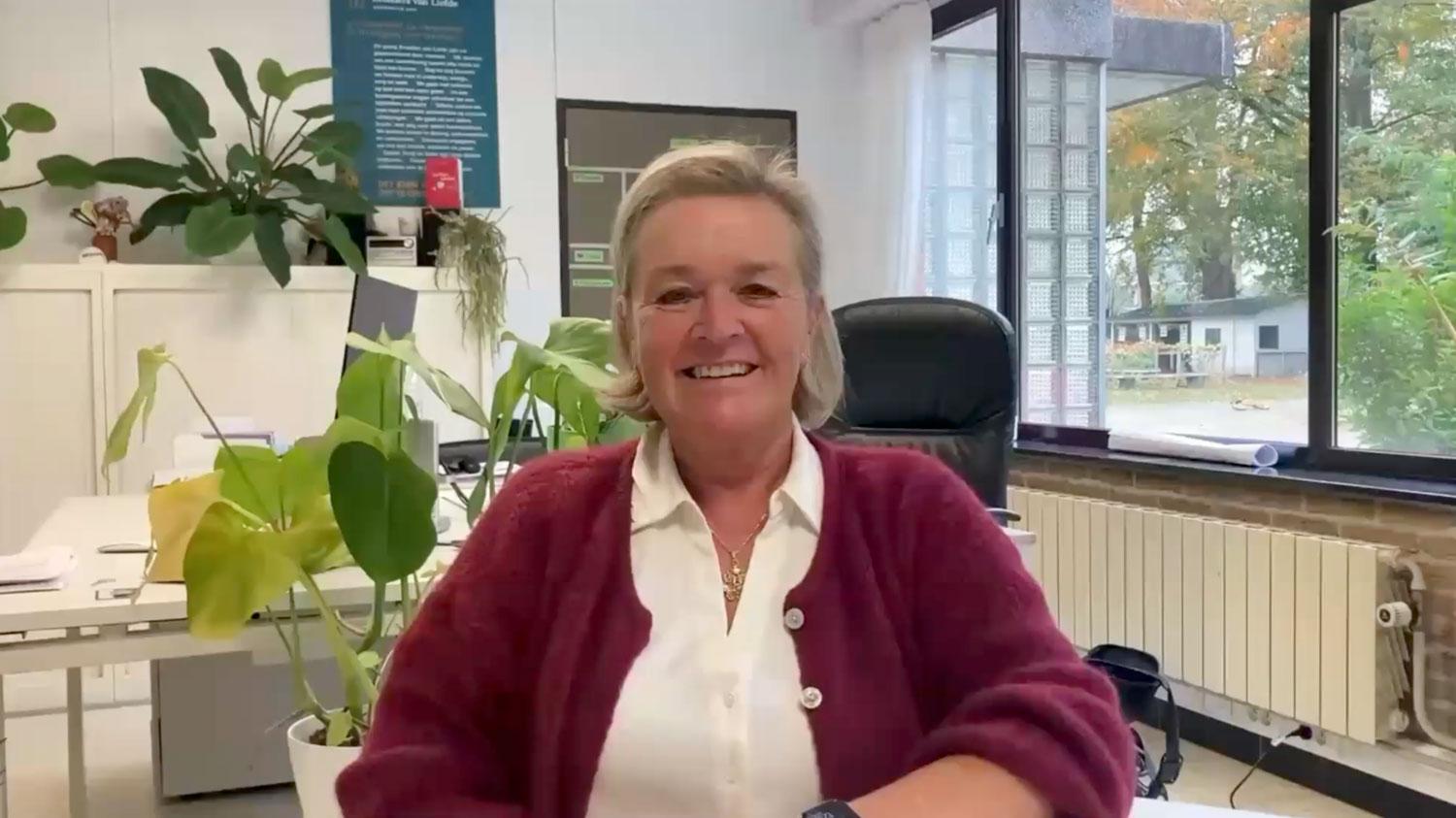
Director Cindy Van der Snickt from De Wonderboom Children’s centre shares how her school in Flanders has developed its own distinctive approach. The centre supports children from birth to age 12 and has been actively strengthening its inclusive practices for several years. To reflect on their progress, the team used the STESSIE tool, which they hope will remain a valuable resource as they continue building an inclusive environment.